High Pressure Screw Compressors: A Complete Guide to Industrial Compressed Air Solutions
High pressure screw compressors are industrial machines designed to compress air or gas to elevated pressure levels for use in manufacturing, energy production, transportation, chemical processing, and many other sectors.
These systems use two interlocking helical rotors that rotate together to compress air efficiently and continuously.
The development of screw compressor technology dates back to advances in rotary compression engineering during the twentieth century. Traditional piston compressors were effective for many applications, but industries increasingly required equipment capable of delivering continuous airflow with reduced vibration and more stable operation. This need contributed to the widespread adoption of screw compressors.
Today, high pressure screw compressor manufacturers produce equipment designed for a broad range of industrial environments. Industrial screw compressor suppliers support applications that require compressed air for production equipment, pneumatic systems, instrumentation, and industrial processes.
Different configurations are available depending on operational requirements. These include oil-injected systems, oil free screw compressor manufacturers' designs, and specialized units developed for sectors such as petrochemicals, manufacturing, and energy generation.
As industrial processes become more automated and technologically advanced, screw compressors remain an important part of modern infrastructure.
Importance
Supporting Industrial Operations
Compressed air is often referred to as a utility within industrial facilities because it powers numerous tools, machines, and production systems.
Without reliable compressed air, many manufacturing operations would experience interruptions or reduced efficiency.
Enabling Continuous Production
Unlike some alternative technologies, screw compressors are well suited for continuous-duty operation.
This characteristic makes them useful in facilities where compressed air demand remains relatively constant throughout the day.
Improving Process Reliability
Stable air pressure is important for automated machinery, control systems, and production equipment.
High pressure screw compressors help maintain consistent operating conditions for these applications.
Supporting Multiple Industries
Compressed air technology affects a wide variety of sectors, including:
- Manufacturing
- Food processing
- Pharmaceuticals
- Petrochemicals
- Mining
- Energy production
- Transportation
- Electronics manufacturing
Facilitating Automation
Modern industrial automation relies heavily on pneumatic equipment and control systems.
Reliable compressed air contributes to efficient automation and process control.
Understanding How Screw Compressors Work
Basic Operating Principle
A screw compressor uses two rotating helical rotors housed within a compression chamber.
As air enters the chamber, the rotating screws reduce the volume available to the air, increasing its pressure.
Compression Process
The process generally involves three stages:
| Stage | Description |
|---|---|
| Intake | Air enters the compressor chamber |
| Compression | Rotors compress the air |
| Discharge | Pressurized air exits the system |
This continuous process allows screw compressors to provide a steady flow of compressed air.
Cooling Systems
Compression generates heat, making cooling systems an important component.
Cooling methods may include air cooling, liquid cooling, or specialized heat management technologies.
Control Systems
Modern compressors often include digital controls that regulate pressure, airflow, and energy consumption.
These systems help operators monitor performance and identify maintenance requirements.
Types of High Pressure Screw Compressors
Oil-Injected Screw Compressors
Oil-injected systems use lubricant within the compression chamber to reduce friction and assist cooling.
These compressors are common in many industrial environments.
Oil-Free Screw Compressors
Equipment developed by oil free screw compressor manufacturers operates without introducing lubricant into the compression chamber.
These systems are often used where air purity is particularly important.
Single-Stage Compressors
Single-stage units compress air in one compression cycle.
They are suitable for many industrial applications requiring moderate pressure levels.
Two-Stage Compressors
Two stage screw compressor manufacturers produce systems that compress air through multiple stages.
This design can improve efficiency for higher-pressure applications.
Portable and Fixed Installations
Some compressors are designed for mobility, while others are permanently installed within industrial facilities.
The choice depends on operational requirements and application environments.
Key Components of a Screw Compressor
Air Intake System
The intake system draws ambient air into the compressor.
Filters help remove dust and contaminants before compression begins.
Rotor Assembly
The rotor assembly is the core component responsible for air compression.
Precision manufacturing is important for efficient operation.
Drive System
The drive system transfers power from the motor to the rotors.
Electric motors are commonly used in industrial installations.
Cooling Equipment
Cooling systems manage heat generated during compression.
Effective cooling supports operational reliability.
Air Treatment Components
Compressed air often passes through additional treatment equipment, including:
- Dryers
- Moisture separators
- Filters
- Storage tanks
These components improve air quality before use.
Industrial Applications
Manufacturing Facilities
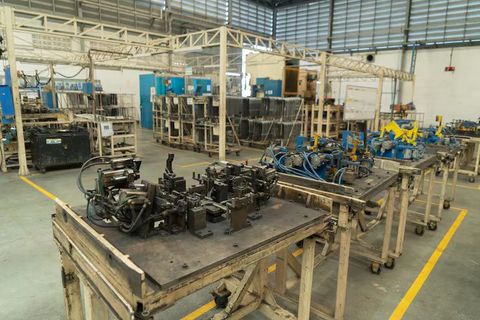
Factories use compressed air for automation systems, pneumatic tools, packaging equipment, and assembly operations.
Petrochemical Processing
Petrochemical screw compressor solutions support various processing activities involving gases, instrumentation, and production equipment.
Food and Beverage Production
Compressed air is used in packaging, processing, and material handling applications.
Pharmaceutical Production
Certain manufacturing environments require controlled compressed air systems to support production processes.
Mining Operations
Mining facilities utilize compressed air for drilling, material handling, and equipment operation.
Power Generation
Energy facilities often depend on compressed air systems for control and operational functions.
Factors Influencing Compressor Selection
Pressure Requirements
Different applications require varying pressure levels.
Equipment selection depends on the operational demands of the facility.
Airflow Demand
Facilities must evaluate total compressed air consumption when selecting equipment.
Environmental Conditions
Temperature, humidity, dust levels, and operating environments can influence system design.
Air Quality Requirements
Some applications require highly purified compressed air.
Oil-free systems may be used in situations where contamination control is important.
Operational Scale
The size and complexity of an industrial facility affect compressor configuration and capacity requirements.
Recent Updates
Smart Monitoring Technologies
Recent developments have introduced advanced monitoring systems capable of tracking compressor performance in real time.
Operators can analyze pressure, temperature, and operational data through digital dashboards.
Energy Efficiency Improvements
Manufacturers continue developing technologies aimed at reducing energy consumption.
Variable-speed drives and intelligent controls have become increasingly common.
Predictive Maintenance Systems
Modern compressors increasingly incorporate sensors that help identify maintenance requirements before major issues occur.
These systems support operational planning and equipment reliability.
Integration with Industrial Networks
Many industrial screw compressor suppliers now provide equipment compatible with broader factory automation systems.
This integration supports centralized monitoring and operational visibility.
Expansion of Oil-Free Technologies
Industries requiring high air purity continue driving interest in advanced oil-free compressor designs.
Research and engineering efforts are improving performance in this segment.
Laws or Policies
Workplace Safety Regulations
Industrial facilities must comply with safety requirements governing pressure equipment and compressed air systems.
Regular inspections and maintenance activities are often required.
Pressure Vessel Standards
Compressed air storage tanks and related equipment are typically subject to pressure vessel regulations.
These standards help support safe operation.
Environmental Requirements
Energy efficiency regulations and environmental programs may influence compressor design and operation.
Organizations often seek technologies that support sustainability objectives.
Industry-Specific Standards
Certain sectors such as pharmaceuticals, food production, and petrochemicals may follow additional operational standards related to compressed air quality.
Equipment Certification
Many regions require industrial equipment to comply with recognized technical and safety certification frameworks before installation.
Tools and Resources
Compressed Air Calculators
Engineering calculators help estimate airflow requirements, pressure needs, and system capacity.
Energy Assessment Software
Digital tools can evaluate energy usage and identify efficiency opportunities.
Industrial Monitoring Platforms
Monitoring platforms provide real-time operational data from compressors and related equipment.
Technical Standards Organizations
Industry organizations publish guidelines and standards related to compressor design, operation, and safety.
Maintenance Management Systems
Maintenance software assists with scheduling inspections, tracking equipment history, and planning preventive maintenance activities.
FAQs
What do high pressure screw compressor manufacturers produce?
High pressure screw compressor manufacturers develop equipment that compresses air or gas to elevated pressure levels for industrial and commercial applications.
How do industrial screw compressor suppliers support manufacturing facilities?
Industrial screw compressor suppliers provide compressor systems used for automation, pneumatic equipment, material handling, and production processes.
What is the difference between oil-free and oil-injected screw compressors?
Oil-injected compressors use lubricant during compression, while equipment from oil free screw compressor manufacturers operates without introducing oil into the compression chamber.
Why are two stage screw compressor manufacturers important for high-pressure applications?
Two-stage compressors compress air in multiple phases, which can improve efficiency and performance when higher pressure levels are required.
Where are petrochemical screw compressor solutions commonly used?
Petrochemical screw compressor solutions are used in processing facilities that require compressed gases, instrumentation air, and support for industrial operations.
Conclusion
High pressure screw compressors are essential components of modern industrial infrastructure, supporting manufacturing, energy production, petrochemical processing, and many other sectors. Advances in automation, digital monitoring, and energy management continue to improve compressor performance and operational efficiency. Equipment from industrial screw compressor suppliers, oil free screw compressor manufacturers, and two stage screw compressor manufacturers serves a wide range of applications with varying pressure and air quality requirements. As industries continue to modernize, compressed air technology remains a critical element of industrial operations.